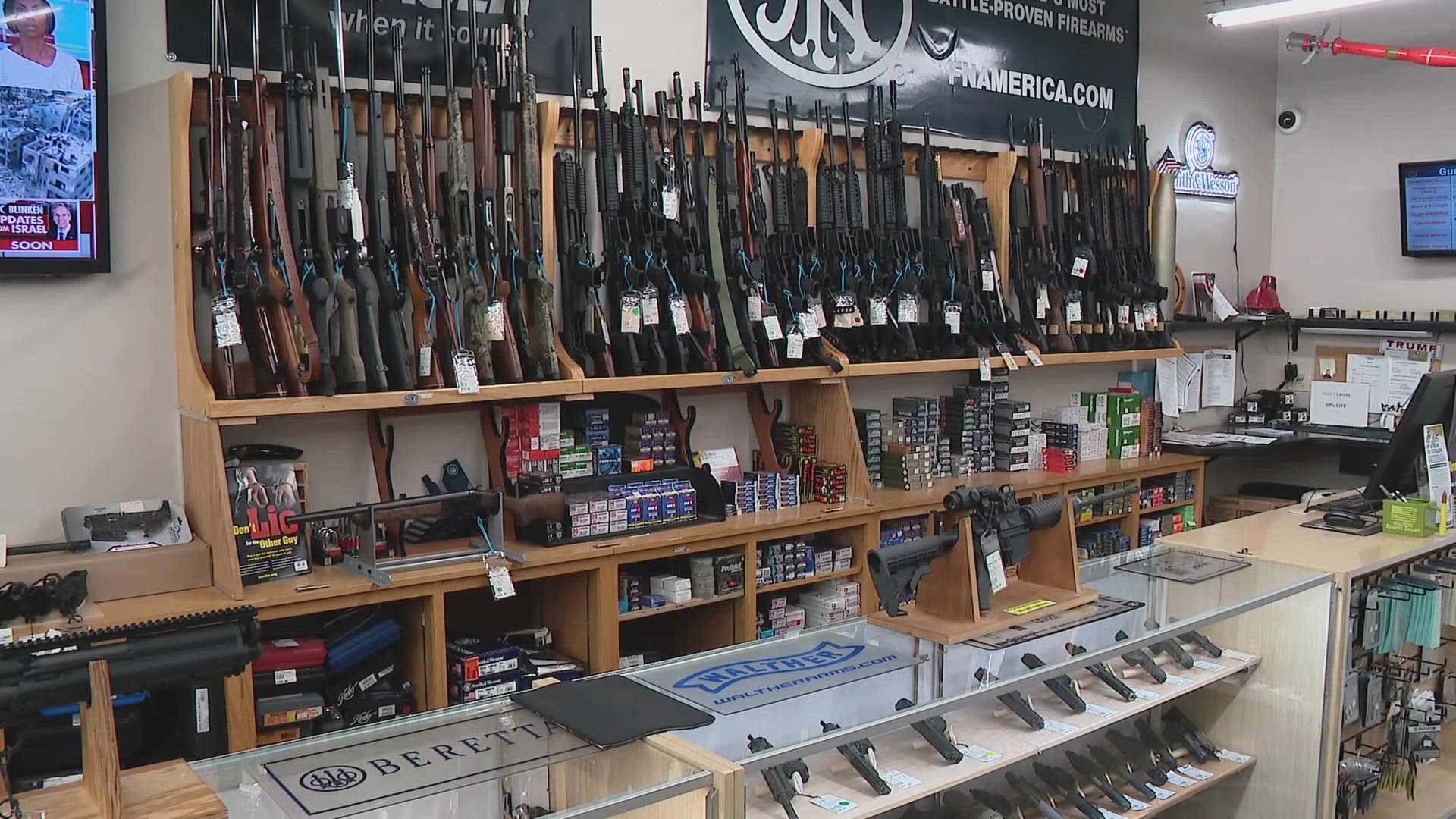
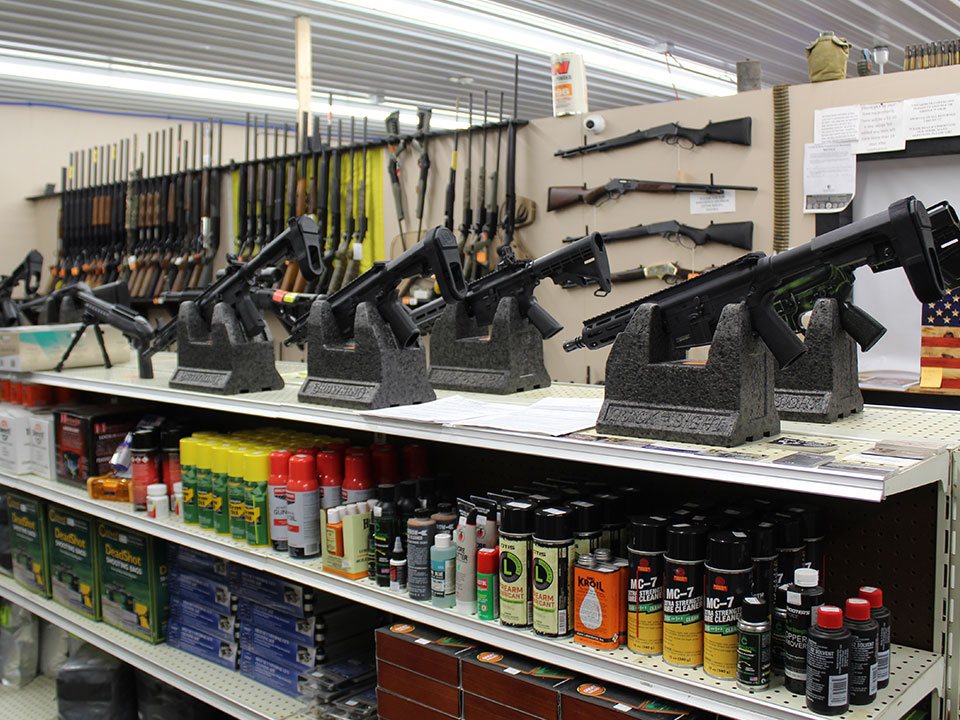
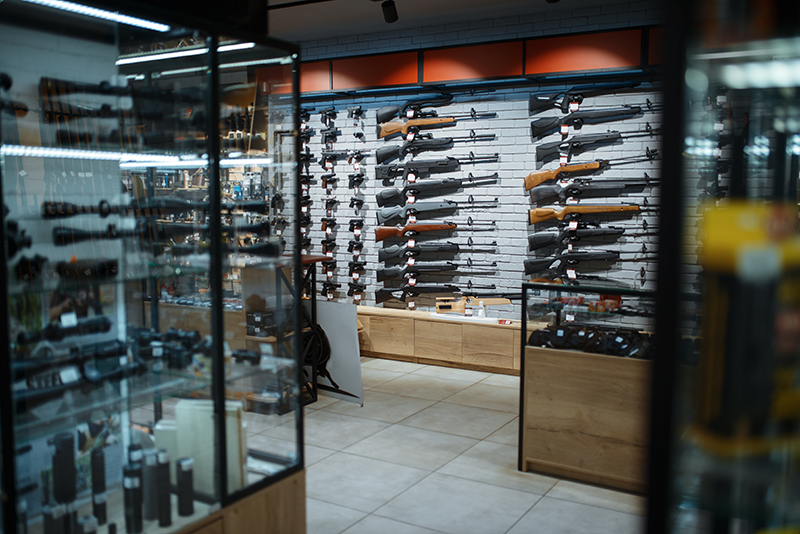
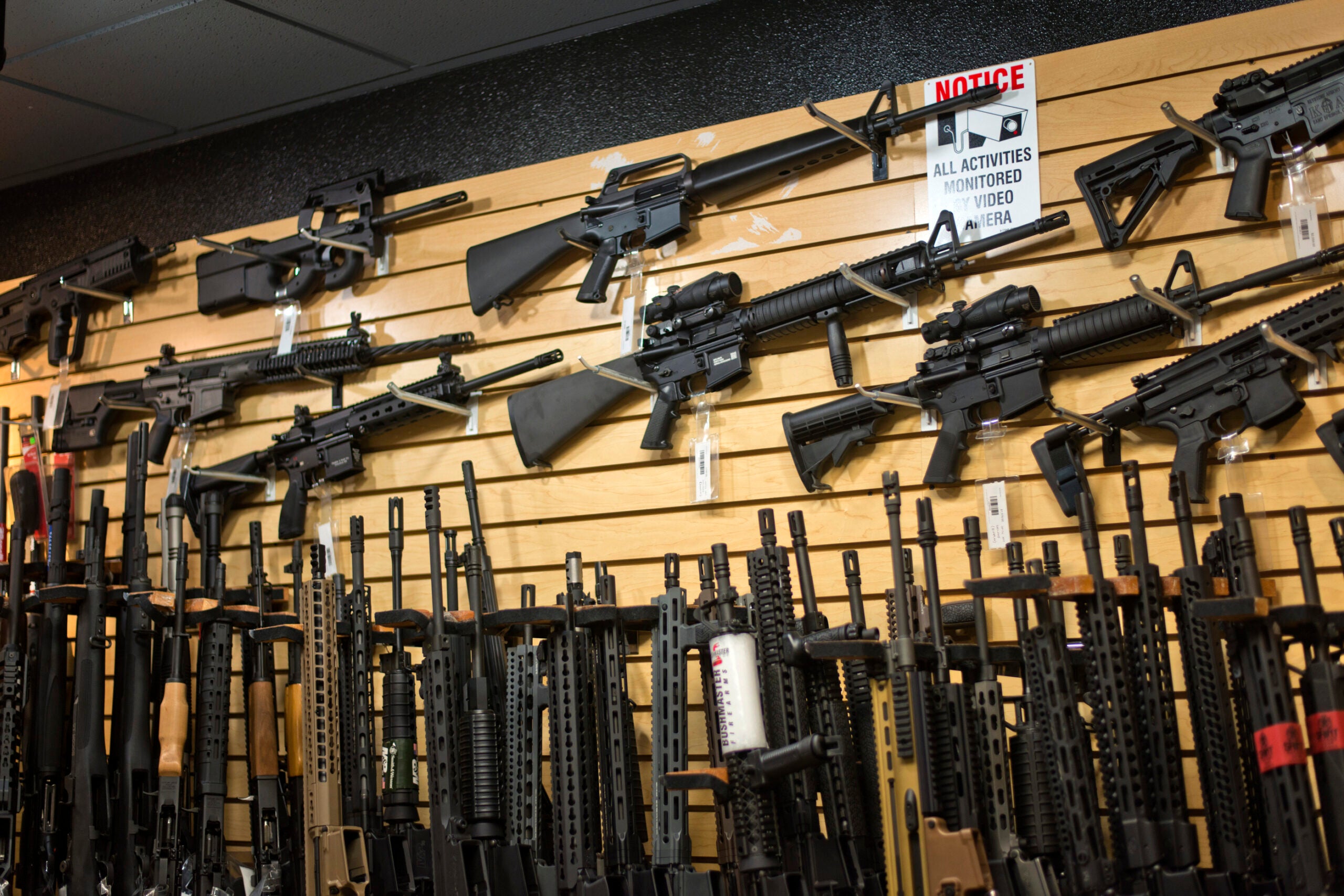
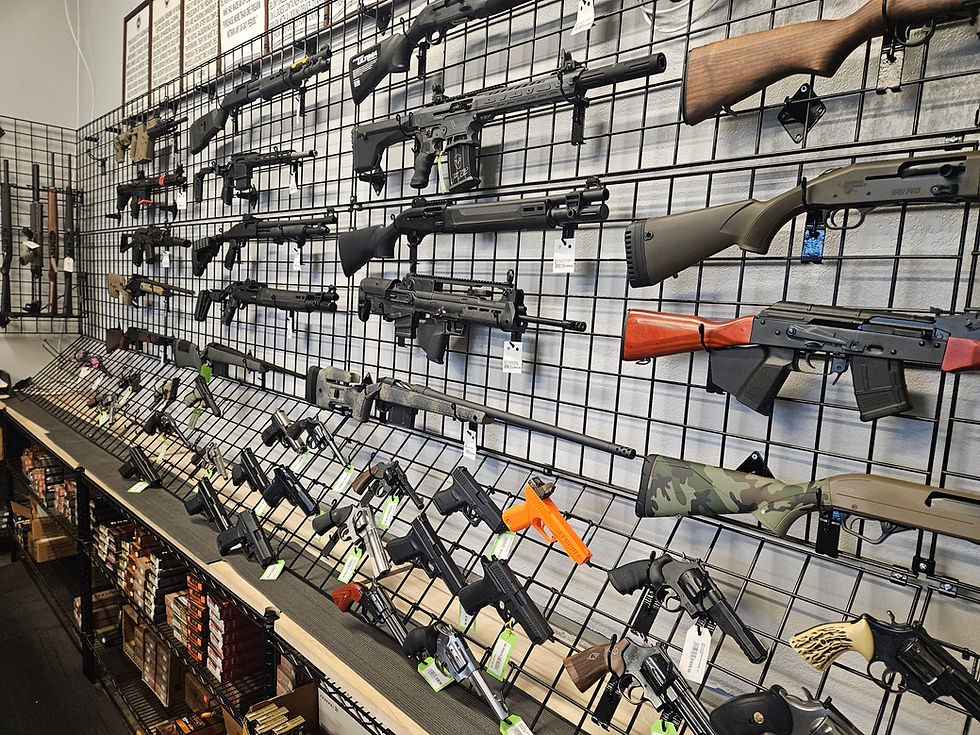
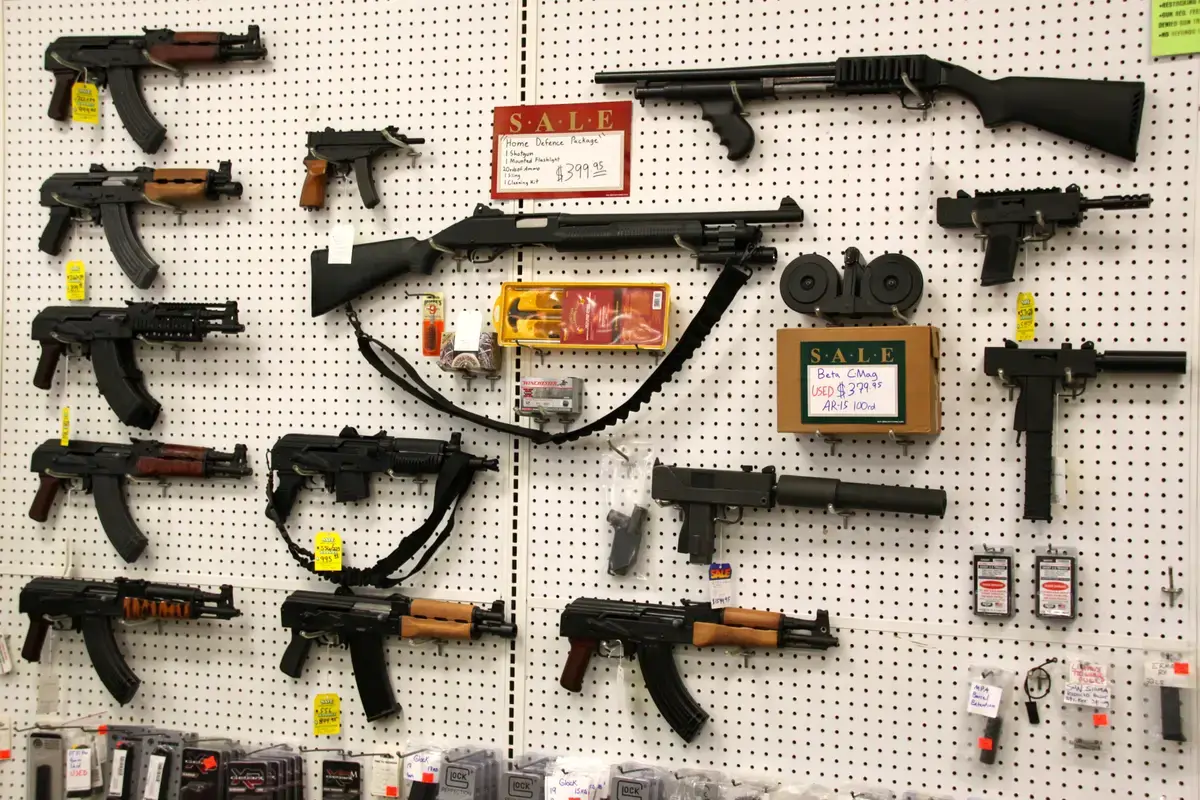
For those stepping into the world of firearms, buying your first rifle can feel like an intimidating task. With various types, calibers, and features available, it’s essential to approach this decision with a well-informed perspective. This guide will walk you through the key considerations to ensure your first rifle purchase is a success.
Understand Your Purpose
Before purchasing your first rifle, it’s crucial to define its purpose. Ask yourself the following questions:
– Are you interested in recreational target shooting at the range?
– Do you plan on using the rifle for hunting specific game?
– Are you exploring competitive shooting as a hobby?
Understanding your primary purpose will guide every step of the decision-making process, from selecting a caliber to choosing accessories.
Choosing The Right Caliber
The caliber is one of the most critical decisions when buying your first rifle. Caliber refers to the diameter of the bullet and plays a significant role in accuracy, recoil, and overall performance.
| Caliber | Best For | Recoil Level | Common Uses |
| .22 LR | Beginners & Small Game Hunting | Low | Training & Plinking |
| .223 Remington | Target Shooting & Medium Game | Moderate | Varmint Hunting |
| .308 Winchester | Large Game Hunting | Higher | Big Game (Deer/Elk) |
For new shooters, starting with a low-recoil caliber like .22 LR can help build confidence and improve shooting fundamentals.
Action Types: Bolt-Action vs Semi-Automatic
- Bolt-Action Rifles: Simple and reliable; ideal for precision shooting or hunting. They have fewer moving parts and are typically easier to maintain for beginners.
- Semi-Automatic Rifles: Excellent for quicker follow-up shots; suitable for both target practice and specific hunting scenarios. However, they may require more maintenance due to their mechanical complexity.
Factors To Consider When Buying
- Ergonomics & Fit: The rifle should feel comfortable when shouldered. Look for adjustable stocks or rifles designed specifically for smaller frames if needed.
- Weight: Heavier rifles may reduce recoil but can be harder to carry during hunting trips.
- Sights & Optics: Many beginner rifles come equipped with iron sights or basic optics that are sufficient for initial use.
- Material & Durability: Consider synthetic stocks if you need something lightweight yet weather-resistant.
Budget-Friendly Options For Beginners
- Ruger 10/22 – A classic semi-auto option chambered in .22 LR; ideal for plinking or learning proper technique.
- Savage Axis II – A bolt-action rifle known for affordability and accuracy; available in multiple calibers.
- Marlin Model 60 – Another great semi-auto offering chambered in .22 LR that comes highly recommended by beginners and enthusiasts alike.
Getting started with firearm ownership requires responsibility and attention to detail. As you embark on this journey, take time to learn about proper safety practices, storage options (such as lockable gun safes), and local firearm regulations within your jurisdiction. With careful planning and research, buying your first rifle can be an exciting step toward enjoying shooting sports or hunting adventures responsibly.
How to Choose the Right Rifle from a Gun Dealer in Michigan for Target Shooting and Hunting
Choosing the right rifle to suit both target shooting and hunting can seem overwhelming, especially with the vast array of options on the market. However, by focusing on core considerations such as purpose, caliber, weight, and features, you can find a versatile firearm tailored to your needs. Below is a guide to help you navigate this decision.
Key Considerations When Selecting a Rifle
- Intended Use
Understanding your primary use for the rifle is essential. Hunting and target shooting have different requirements: - Target Shooting: Prioritize accuracy, ergonomics, and ammunition cost. Look for rifles that are reliable over extended sessions at the range.
- Hunting: Focus on portability, stopping power (caliber), and durability in varying environmental conditions.
- Caliber Selection
The caliber of your rifle determines its versatility for both activities:
| Caliber | Best Use | Notes | |———|———-|——-| | .22 LR | Target Shooting, Small Game Hunting | Affordable ammo; low recoil; limited range for hunting larger game. | | .223 Remington / 5.56 NATO | Varmint Hunting, Target Shooting | Moderate recoil; excellent for small-to-medium-sized game or precision practice at ranges under 300 yards. | | .308 Winchester / 7.62 NATO | Big Game Hunting & Long-Range Precision Shooting | Versatile; effective for medium-to-large game up to longer distances. | - Lightweight Rifles (6–8 lbs): Ideal for long treks while hunting but may have more recoil or slightly reduced stability during target shooting sessions.
- Heavier Rifles (8–12 lbs): Provide better stability for precision target shooting but can be cumbersome on long hunting trips.
- Barrel Length
Barrel length impacts accuracy and maneuverability: - Longer barrels (20–26 inches): Better accuracy over longer ranges but less portable.
- Shorter barrels (16–20 inches): Easier to handle in dense brush but may trade some accuracy at extended distances.
Top Features to Look For in a Versatile Rifle
- Adjustable Stock: Allows customization of length-of-pull for comfort during both scenarios.
- Optics Compatibility: Ensure the rifle has rails or mounts compatible with scopes or red-dot sights.
- Durable Finish: A weather-resistant coating like Cerakote ensures longevity during outdoor hunts.
- Trigger Adjustability: Lighter triggers improve precision at the range; heavier ones might be preferred in hunting situations where safety is paramount.
Examples of Dual-Purpose Rifles
| Rifle Model | Features | Best For |
| Ruger American Rifle | Lightweight design; available in various calibers. | Big-game hunting & casual range sessions |
| Tikka T3x | Smooth bolt-action mechanism; lightweight synthetic stocks available. | Hunting & long-range shoots |
| Savage Axis II XP | Includes factory-mounted scope; reliable performance at an affordable price. | Entry-level dual-purpose rifle |
By carefully assessing your needs across these key factors—caliber, weight, barrel length, ergonomics—you can confidently select a rifle that excels in both target shooting and hunting settings.
Top Picks for Stability and Precision: Guide to the Best Rifle Bipod from a Gun Store Michigan
A rifle bipod is an essential accessory for shooters who demand stability and precision, whether they are engaging targets at long distances or hunting in rugged terrain. With technological advancements in the firearm industry, choosing the right bipod in 2025 means understanding your specific needs and how various models cater to them. Below is a detailed guide to help you select the best rifle bipod for your shooting requirements.
Why You Need a Quality Rifle Bipod
- Increased Stability: A bipod provides a stable shooting platform, reducing wobble and enhancing precision.
- Enhanced Accuracy: By eliminating human error caused by movement, it ensures more consistent shot placement.
- Versatility: Modern bipods allow you to shoot effectively from prone, seated, or kneeling positions.
- Reduced Fatigue: Supporting the rifle with a bipod alleviates strain on your arms during extended shooting sessions.
Key Features to Look for in a Rifle Bipod
- Aluminum: Lightweight yet durable; ideal for most applications.
- Carbon Fiber: Even lighter than aluminum but typically more expensive.
- Look for models offering adjustable leg lengths to accommodate uneven terrain.
- Tilt and swivel functionality can assist with fine-tuning adjustments without moving the entire setup.
- Ensure the bipod can support your rifle’s weight without compromising stability.
- Picatinny rail compatibility is common, but some models also work with sling swivels or M-LOK systems.
- Compact folding designs make transportation easier without taking up unnecessary space.
| Feature | Model A (LightPro) | Model B (PrecisionMax) | Model C (Carbon X-Tend) |
| Material | Aluminum Alloy | Carbon Fiber | Titanium Alloy |
| Weight (lbs) | 1.2 | 0.9 | 1.4 |
| Leg Adjustability | 6″–9″, Multi-Lock | 6″–10″, AutoLock | 7″-11″, Quick Release |
| Swivel Functionality | Yes | Yes | No |
| Price Range ($) | $120–150 | $180–220 | $250–300 |
Top Picks for Rifle Bipods in 2025
- LightPro Tactical Series
Perfect for those seeking high performance on a budget: - Lightweight aluminum construction suitable for target shooting.
- Excellent value with solid adjustability features.
- PrecisionMax Elite Bipod
A premium choice designed with carbon fiber: - Ultra-lightweight yet robust enough to handle heavy rifles.
- Ideal for hunters looking for mobility alongside precision.
- Carbon X-Tend Pro
For shooters who prioritize advanced materials and top-tier engineering: - Titanium alloy ensures unmatched durability.
- Best suited to professional marksmen or enthusiasts engaging in competition-level shooting.
Tips for Using Your New Bipod
- Always ensure proper attachment before use—double-check mounting systems like Picatinny rails or M-LOK adapters.
- Practice adjusting leg heights efficiently while wearing gloves if hunting outdoors.
- Use sandbags or additional supports alongside your bipod when shooting from extremely uneven surfaces.
- Regularly clean and inspect moving parts like hinges or locking mechanisms to maintain smooth operation over time.
Where to Buy Guns in Michigan: Top Precision Rifles of 2026 Reviewed
Armed In Michigan
https://armedinmichigan.com
For enthusiasts and professionals alike, choosing the right precision rifle is crucial for achieving consistent accuracy and reliability. In 2025, manufacturers have introduced a new generation of precision rifles that come factory-equipped with features previously reserved for custom builds. Let’s take a closer look at some of the top-performing precision rifles this year, their standout traits, and what makes them ideal for shooters looking to elevate their skill set.
Key Features of Modern Precision Rifles
- Match-Grade Barrels: These barrels provide exceptional accuracy by minimizing variances during bullet travel.
- Chassis Systems: Modern rifles often feature modular chassis systems that allow easy customization for ergonomics and stability.
- Adjustable Trigger Mechanisms: Many rifles now include user-adjustable triggers for precise pull weights, improving overall shot control.
- Integrated Optics Mounting Platforms: Pre-cut or integrated rail systems make it easier to mount scopes without additional modifications.
- High-Caliber Compatibility: From .308 Winchester to 6.5 Creedmoor and beyond, many rifles support versatile cartridge options suitable for long-range accuracy.
Top Precision Rifles in 2025
| Rifle Model | Caliber Options | Barrel Length | Notable Features | Price Range |
| Ruger Precision Rifle | 6.5 Creedmoor/.308 | 24 inches | Fully adjustable stock; threaded barrel | $1,700–$2,000 |
| Tikka T3x Tac A1 | .308/6.5 Creedmoor | 24 inches | Lightweight aluminum chassis; smooth bolt action | $1,800–$2,300 |
| Bergara B14 HMR | Various (multi-cal.) | 22–26 inches | Adjustable cheek riser; sub-MOA guarantee | $1,500–$2,000 |
| Savage Model 110 Elite | .300 Win Mag/.308 | 26 inches | AccuTrigger system; AccuFit customizable stock | $1,200–$1,700 |
| Accuracy International ATX | Multi-Caliber (.223 Rem & more) | Configurable Adjustable length of pull Above $4k | ||
| — |
What Sets These Rifles Apart?
- Precision Engineering: Manufacturers focus on factory-fit tolerances that eliminate the need for extensive aftermarket tuning.
Introduction to Long Distance Shooting – Essential Tips for Beginners & Enthusiasts
Long-distance shooting is an art that blends skill, patience, and precision. Whether you’re a beginner or an enthusiastic marksman looking to expand your capabilities, understanding the basics is critical. This guide explores essential tips and best practices to help you start your journey into long-distance shooting with confidence.
Understanding the Basics
- Ballistics: Familiarize yourself with bullet trajectory, wind drift, and the effects of gravity over extended distances.
- Rifle Setup: Use rifles optimized for accuracy, such as bolt-action models commonly used in competitive or recreational long-range shooting.
- Caliber Selection: Choose cartridges designed for distance (e.g., .308 Winchester, 6.5 Creedmoor) that balance trajectory performance with recoil management.
Essential Gear Checklist
| Item | Purpose | Notes |
| Precision Rifle | Core tool for accurate shots | Consider weight and barrel length |
| Quality Optic Scope | Enhances target visibility and adjustments | Look for variable magnification |
| Bipod or Shooting Rest | Provides stability | Reduces shooter fatigue |
| Rangefinder | Measures precise distances | Laser models offer quick results |
| Ballistic Calculator | Calculates bullet drop/wind effects | Can be app-based or standalone |
Mastering Your Shooting Position
- Lie flat with elbows supporting the rifle’s weight.
- Ensure your body aligns directly behind the rifle for controlled recoil absorption.
- Maintain a firm yet relaxed grip on the stock.
- Avoid unnecessary muscle tension that can affect precision.
- Inhale deeply and exhale halfway before squeezing the trigger.
- Consistent breathing helps minimize scope movement caused by chest expansion.
Environmental Factors to Consider
- Wind: Learn how to read wind speed/direction using vegetation movement or handheld devices.
- Temperature & Air Pressure: Both affect bullet velocity and should be factored into ballistic calculations.
- Light Conditions: Adjust scope settings appropriately when faced with glare or low light levels.
Practice Makes Progress
- Setting achievable distance goals (e.g., mastering 300 yards before progressing further).
- Keeping detailed logs of ammo type, weather conditions, and shot groupings during each session for analysis and improvement.
By combining proper gear selection with disciplined habits in formulating each shot plan effectively over time ensures increased success meeting challenging goals beginners face venturing deeper honing such expertise steadily!
- Finding a Gunsmith Near Me – A Comprehensive Guide for New Shooters
- How to Choose Your First Rifle with Confidence: A Comprehensive Beginner’s Guide from a Gun Dealer Michigan
- Beginner’s Guide to Concealed Carry | Tips from a Gun Dealer Michigan
- Finding a Gunsmith Near Me: Essential Tips for First-Time Shooters
- Exploring the Best Options: Your Guide to Choosing a Gun Dealer Michigan
- Essential Safety Rules Every Gun Shop Michigan Enthusiast Should Know
- Finding the Best Gunsmith Near Me: Top 5 Handguns for Home Defense in 2025